Cat Won’t Play? Easy Enrichment Ideas That Work
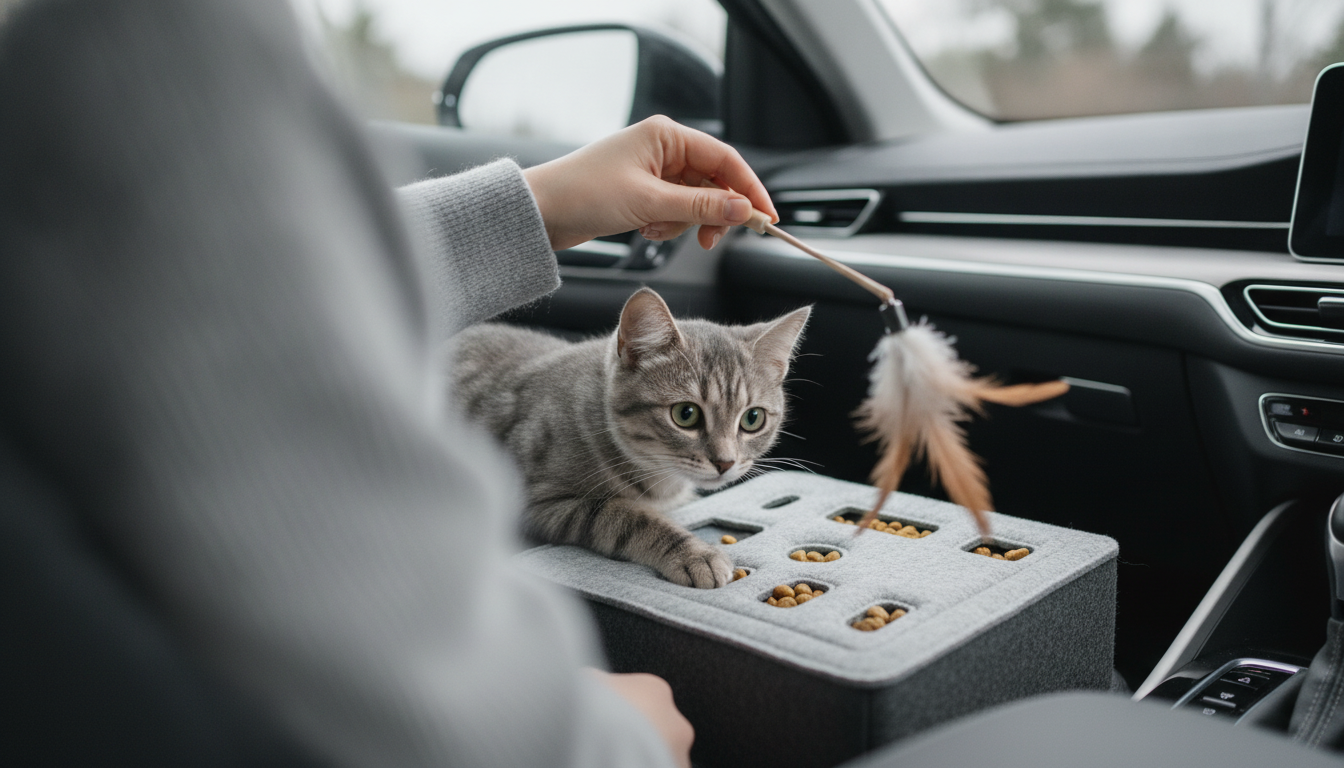
How to enrich a cat that doesn’t play?
Some cats don’t “play” in the way people expect—chasing wand toys or pouncing on mice. That doesn’t mean they can’t be enriched. The goal is to meet natural needs (hunting, exploring, scratching, climbing, and problem-solving) in ways that match your cat’s personality, age, and comfort level.
Start with a quick health and comfort check
Sudden disinterest in play can signal pain, dental issues, arthritis, obesity, stress, or vision changes. If your cat has recently slowed down, hides more, or seems touchy when picked up, schedule a vet visit before assuming it’s just attitude.
Make “hunting” easier and more rewarding
Many cats prefer low-effort, short bursts. Try 30–60 seconds of movement, then a pause. Use slower “prey” patterns: crawl the toy away, hide it behind furniture, and let your cat watch before inviting a single swat. End with a tiny treat or a meal to complete the hunt-eat cycle.
Use food as enrichment (without overfeeding)
If toys are a no, food puzzles often work. Offer part of a meal in a lick mat, snuffle-style scatter feeding, treat balls, or simple DIY options like kibble in a cardboard egg carton. Rotate devices to keep them novel and adjust portions so daily calories stay consistent.
Upgrade the environment, not the toy bin
Add vertical spaces (cat trees, wall shelves), cozy window perches, and multiple scratching options (horizontal and vertical, different textures). Create “safe routes” between favorite areas so your cat can move around without feeling trapped. Even a paper bag on its side or a cardboard box with cutouts can become a low-pressure activity zone.
Reduce stress and increase choice
Shy cats often won’t play if the room feels unpredictable. Offer quiet time, predictable routines, and multiple resting spots. Try enrichment when the home is calm, and let your cat opt in—watching counts as participation.
For more ideas and product-friendly options, visit the complete guide: https://unrivaledhithall.shop/how-to-enrich-a-cat-that-doesn-t-play/.
FAQ
When should I talk to a vet about low activity in my cat?
If your cat’s playfulness drops suddenly, or you notice limping, weight changes, hiding, appetite shifts, or sensitivity to touch, a vet check is warranted. Pain and illness commonly show up as “not interested” behavior.











Leave a comment